Reviewed · TONLE SAP FLOATING VILLAGE TOURS
Kompong Phluk Floating Village Tour from Siem Reap
Kompong Phluk is a working fishing and farming village on Tonlé Sap, where the height of a house can tell you as much about the season as the water does. I like the shift from Siem Reap’s temple circuit to a place shaped by lake and river rhythms, and I love that this tour visits both parts of the village, not just the main stretch of stilt homes.
A local guide can put daily life into context, while the trip by boat and, when water levels allow, a smaller rowboat through flooded forest gives you more than a drive-by view. One consideration: the scenery changes sharply with the season. In the dry months you may walk through the village instead of gliding along its waterways, and the $66 price is easier to justify if you value the guide and local perspective as much as the boat ride.
Key points
- Two villages in one visit: The route includes both Kompong Phluk villages, along with its schools and large pagoda.
- A local perspective: The guide is from the village, so you can ask about fishing, farming and the demands of life on the lake.
- Water levels shape the route: You may sail along the main street, explore on foot, or take a small boat through flooded forest, depending on conditions.
- A short trip from Siem Reap: Expect about 30 minutes by tuk tuk on the listed route, followed by roughly three hours around Tonlé Sap.
- A practical package: Hotel pickup, transport, guide, boat, light fruit lunch, water and checkpoint fees are included.
- Strong guide feedback: Names such as Mr Friday, Mr Bean, Veel, Hoy and Mr Wanna appear in accounts of rewarding outings.
Leaving Siem Reap for Tonlé Sap
The tour begins with pickup at your hotel or guesthouse in Siem Reap. The drive heads southeast through rural villages and rice fields, a useful change of pace after time spent among Angkor’s stone temples. Transport is listed as an air-conditioned car, minivan or tuk tuk, and the route details give about 30 minutes for the tuk tuk leg.
The four-hour outing puts most of its time on and around the lake. The listed schedule allows about three hours for the Tonlé Sap visit, boat cruise and guided exploration, leaving the rest for the drive and transitions. That makes this a manageable half-day, though the actual feel of the trip depends on the road, water and the day’s route.
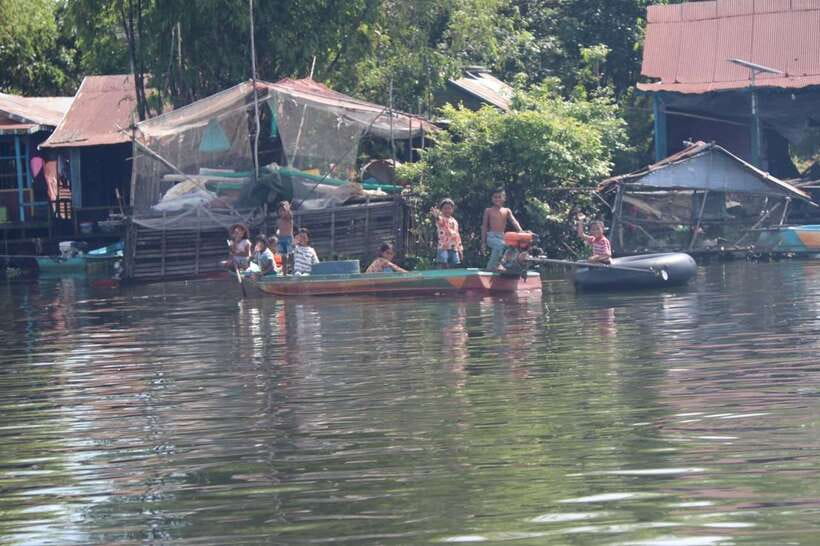
You travel as far as the road allows before boarding a waiting long-tail boat. From there, the boat follows the Kompong Phluk River toward the village. It is a simple but important change: the water is not a scenic backdrop here, it is the route through a community built around fishing and farming.
Reading the stilt homes and seasonal water
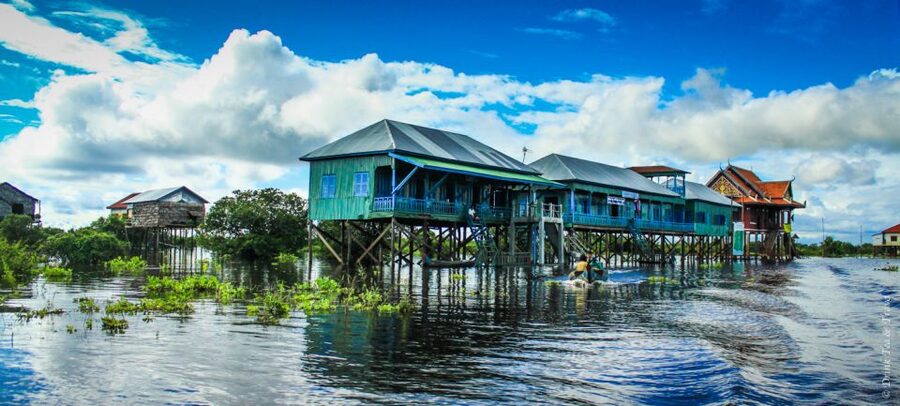
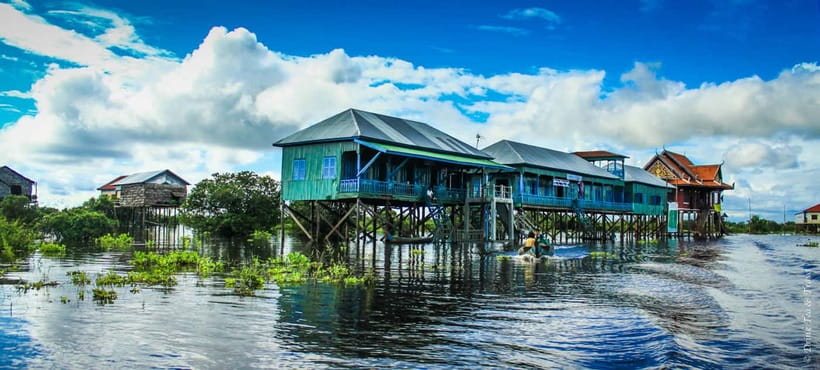
Kompong Phluk is described as a traditional Khmer village of about 3,000 people. Many homes stand on tall stilts, some reaching around 10 meters, built to cope with a lake whose level can vary by as much as 10 meters over the year. That scale helps explain why the same village can feel quite different from one season to another.
When water is high enough, you may sail along the main street and see homes and daily activity from the boat. In lower water, you may get out and explore on foot instead. A dry-season visit is not automatically a lesser one: you can still see the houses close up and understand how the settlement is arranged, but you should not book expecting the same amount of waterborne travel in every month.
The region’s seasonal shifts are part of what makes the visit worthwhile. Tonlé Sap is a UNESCO biosphere reserve, designated in 1997 for the biodiversity of its rivers and lake. The guide can help connect the broad ecological picture to the lives of people who rely on the water and its fish.
More floating village trips around Siem Reap:
- From Siem Reap: Kampong Phluk Floating Village Tour by Boat
★ 4.9 · 6,979 reviews - Sunset tour of Kampong Phluk stilts home village on the Tonle Sap
★ 5.0 · 4,865 reviews - Kompong Phluk Floating Village Half-Day Tour ( Morning / Sunset )
★ 5.0 · 1,494 reviews
Meeting village life with a local guide
The guide is central to this outing. The tour’s guide is from Kompong Phluk, giving you a chance to hear about daily routines and the challenges of life in a fishing and farming community from someone with a direct connection to it. Names that have been associated with particularly well-received trips include Mr Friday, Mr Bean, Veel, Hoy and Mr Wanna.
The English-language guiding has been a strong point for many visitors, with specific praise for clear explanations and friendly conversation. Mr Friday, for example, is remembered for explaining the area in a small-group outing, while Mr Wanna was noted for making a visit worthwhile even when low water meant walking through the village. These are individual guides, not a guarantee of who will lead your trip, but they give you a sense of the kind of personal interpretation that can make the excursion more than a boat transfer.
Expect to learn about the simple farming and fishing lifestyle, not to enter a staged attraction. The children may be playful and cheerful, but the village is also home and workplace. I’d keep a respectful distance, follow the guide’s lead around homes and schools, and ask before taking close-up photographs of people.
Schools, pagoda and the second village
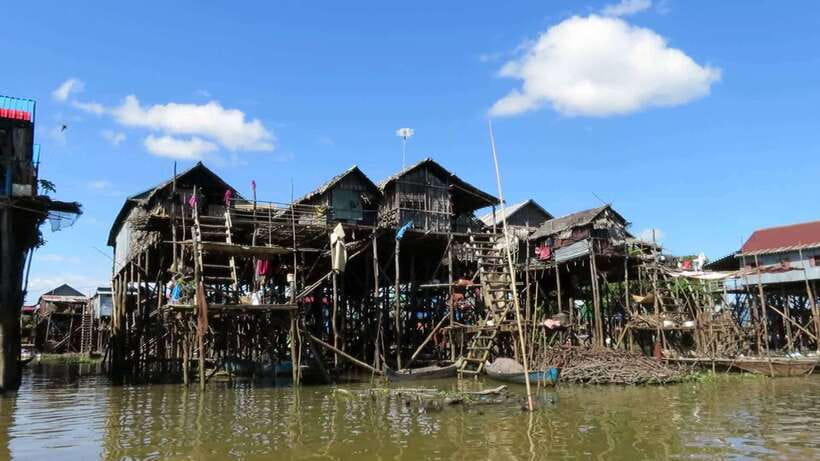
The walk or boat route includes a few village schools and a large pagoda temple. These stops offer a view of community life beyond the river frontage, and the guide can explain what you are seeing. The pace is likely to be unhurried, but this is still a visit through an inhabited place, not a formal museum with exhibits and set displays.
A useful detail is that Kompong Phluk consists of two villages, and this tour visits both. That broader route helps you see more than one stretch of stilted homes and gives the outing a stronger sense of the settlement as a whole. The precise way you move between stops can depend on the water and weather.
The schools and pagoda are worth approaching with sensitivity. Treat them as active local spaces, not photo props. A little care makes the visit more comfortable for you and for the people who live there.
The flooded forest and open lake
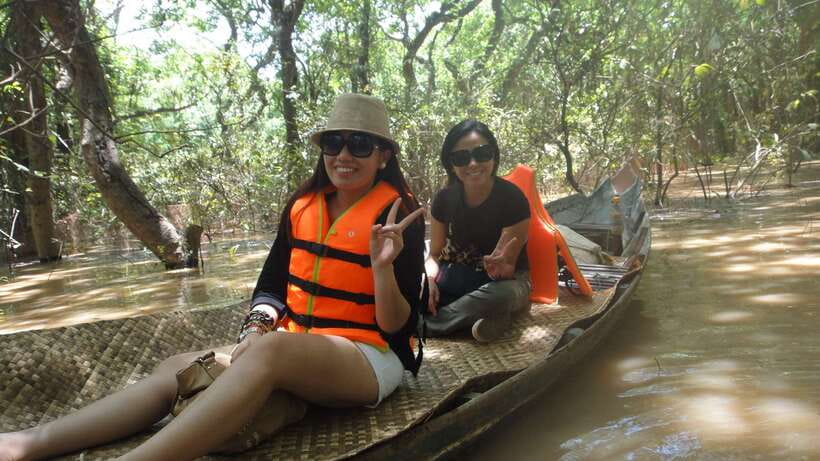
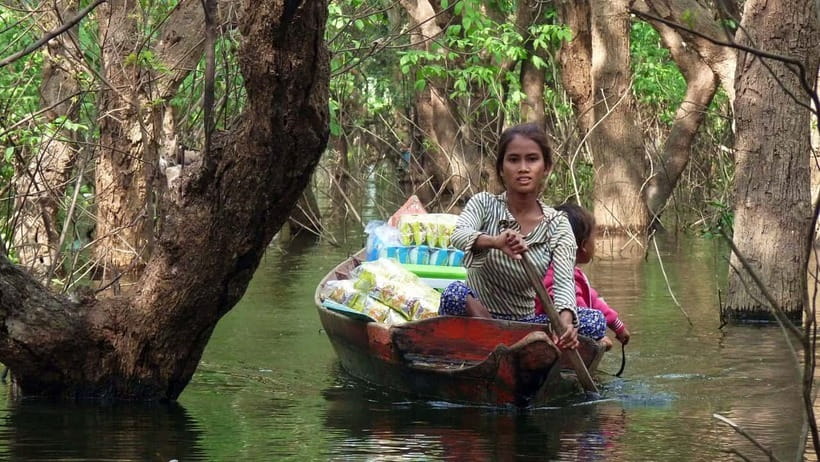
When water levels permit, you transfer to a small boat and are rowed through flooded forest toward Tonlé Sap. This quieter section is often the most distinct part of the trip: the boat moves through a watery woodland rather than along the village’s main route. It is seasonal, though, so treat it as a possibility rather than a guaranteed feature.
The route then reaches the lake itself, the largest freshwater lake in Southeast Asia. Its extent can feel striking after the narrower river passages. The lake is also a major source of food: the tour information notes that about 75 percent of Khmer protein comes from farming the lake, whose fish support livelihoods across the lower Mekong basin.
You might spot large water birds fishing in the shallows or flying overhead, and water buffalo cooling in the river systems. Wildlife sightings are not promised, so enjoy them as a bonus rather than the main reason to book. The strongest draw is the combination of lake, village and local explanation.
More countryside tours around Siem Reap:
- Tonle Sap Lake & Kampong Phluk Village Half-Day Tour
★ 5.0 · 1,045 reviews - Kampong Phluk Floating Village Tour by Boat
★ 5.0 · 1,020 reviews - Siem Reap: Kompong Phluk Floating Village Half-Day Tour
★ 4.8 · 966 reviews - Siem Reap Countryside Bike Tour / E-Bike or Tuk Tuk
★ 5.0 · 935 reviews
What the $66 price includes
At $66 per person, this is not the cheapest way to see Tonlé Sap, but the price covers several pieces that would otherwise need arranging separately: hotel pickup and return, transport, a professional guide, boat trip, light fruit lunch, water and checkpoint fees. That bundled setup is useful if you want a half-day trip without organizing transport and boat access on your own.
The value depends on what you want from the outing. If you are mainly paying for a long boat cruise or guaranteed flooded-forest scenery, seasonal water levels could leave you disappointed. If you also want a guide from the village, visits to both village areas, the schools and pagoda, and context about local fishing and farming, the package makes more sense.
Transport gets good marks, and previous outings have ranged from small groups in air-conditioned vans to a couple travelling on their own. Group size is not fixed by the available details, so do not assume you will have a private tour. The transport may also be a tuk tuk rather than a car or minivan, so it is worth checking the option offered for your date.
A light fruit lunch and water are included. Other food and drinks are not included unless specified, so do not count on a full meal. All checkpoint fees are included, which keeps the stated price closer to the real cost of the excursion.
Choosing the right season and setting expectations
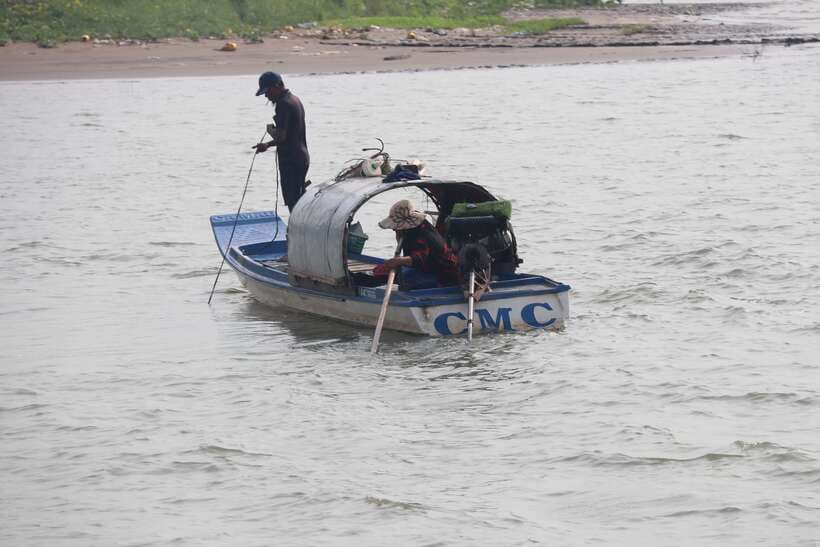
Water levels shape the tour more than any other practical factor. With higher water, the boat can travel farther along village streets and the small-boat forest passage may be possible. In the dry season, lower water can mean walking through the village instead, but you can still see the stilt homes, temple and local environment.
The tour runs in all weather, so dress for the conditions and expect a small amount of walking. The route can involve transitions between road transport, long-tail boat and possibly a smaller boat. It is sensible to wear clothing you are comfortable moving in, but the available details do not specify a dress code or required gear.
The trip is best for you if you want a human-scale alternative to another temple visit, enjoy learning about local livelihoods, and are comfortable with a route that changes with the lake. It may be less satisfying if you want a polished, fixed itinerary or expect wildlife sightings and flooded forest regardless of season.
There is also a crocodile farm and caged animals mentioned in one account of a visit, along with a local market stop. Those details are not presented as guaranteed stops on the tour, so ask the operator what the day’s route includes if these are concerns for you. The stated core itinerary focuses on the villages, lake, schools, pagoda and forest when water levels allow.
Booking details and who should go
The outing lasts four hours, with pickup from a hotel or guesthouse in Siem Reap. The guide speaks Cambodian and English. Confirmation is provided within 24 hours of booking, subject to availability, and children must be accompanied by an adult. Unaccompanied minors are not allowed.
You can reserve without paying immediately and cancel up to 24 hours ahead for a full refund. Those terms are helpful if your Siem Reap plans are still shifting, but the key decision is not logistical: it is whether you want to spend a half-day learning about a living lake community rather than ticking off another monument.
I’d book this if you want local context, are curious about how water shapes daily life, and can accept that the route may change with the season. I’d think twice if your main goal is a particular wildlife sighting or a guaranteed boat ride through flooded trees. At its best, Kompong Phluk offers a calm, grounded counterpoint to the temples, with a village guide helping you see why the lake matters to the people who live beside it.
FAQ
How long is the Kompong Phluk tour?
The tour lasts four hours, including travel from and back to Siem Reap. The Tonlé Sap visit and boat cruise are listed as about three hours.
What is included in the $66 price?
The price includes hotel pickup and drop-off, transport by air-conditioned car, minivan or tuk tuk, a professional guide, a boat trip, light fruit lunch, water and checkpoint fees.
Does the tour visit both Kompong Phluk villages?
Yes. The route visits both villages, as well as a few schools and the large pagoda temple.
Will I be able to take a small boat through the flooded forest?
That depends on water levels. The small-boat ride through the flooded forest is possible when conditions allow, but it is not guaranteed year-round.
What happens during the dry season?
Low water can mean walking through the village instead of sailing along its main street. The stilt homes and village can still be visited.
What languages does the guide speak?
The tour is offered with a live guide in Cambodian and English.
Can children join the tour?
Yes, children can join when accompanied by an adult. Unaccompanied minors are not allowed.
More day trips around Siem Reap
- Angkor Wat Sunrise or Sunset Tour with Guide from Siem Reap
★ 5.0 · 12,109 reviews - Angkor Wat Highlights and Sunrise Guided Tour from Siem Reap
★ 5.0 · 3,213 reviews - Full-Day Angkor Wat Sunrise Private Tour with Guide from Siem Reap
★ 5.0 · 2,920 reviews - Angkor Wat Private Day Tour from Siem Reap
★ 5.0 · 834 reviews
New tours in Siem Reap
- Siem Reap Food Tour By Local★ 5.0 · 29 reviews
- Private Transfer From Siem Reap Airport to Hotel★ 5.0 · 16 reviews
- Siem Reap Airport Transfer with Fast Track Immigration Service★ 5.0 · 22 reviews
- Angkor Wat Temples & Kulen Elephant Forest Day Tour★ 5.0 · 6 reviews
- Cambodia 7 Days Tour from Siem Reap to Battambang and Phnom Penh★ 5.0 · 15 reviews
- Siem Reap Airport Taxi Transfer – City Center Hotels★ 5.0 · 5 reviews
- Siem Reap Angkor Airport to Siem Reap City by Shuttle Bus★ 5.0 · 6 reviews
- Siem Reap Airport Transfers★ 3.0 · 4 reviews
More Tonle Sap Floating Village Tours worth a look.
Sunset tour of Kampong Phluk stilts home village on the Tonle Sap
Read our review →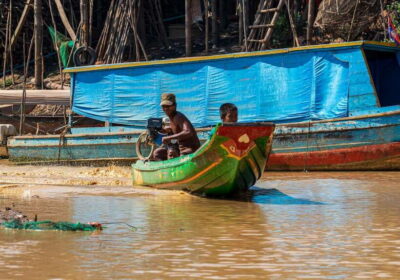
Siem Reap Floating Village Kampong Phluk Sunset with Boat
Read our review →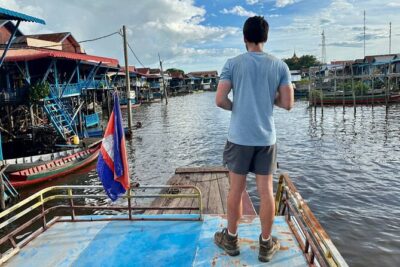
Kompong Phluk Floating Village Half-Day Tour ( Morning / Sunset )
Read our review →
Kulen Mountain, Beng Mealea and Tonle Sap Tour
Read our review →
Tonle Sap Lake & Kampong Phluk Village Half-Day Tour
Read our review →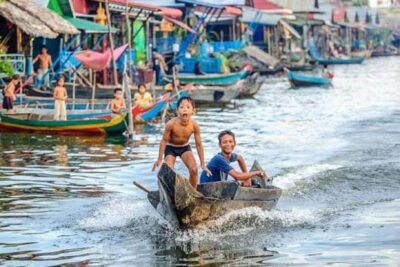
Tonle Sap, Kampong Phluk & Floating Village Tour
Read our review →